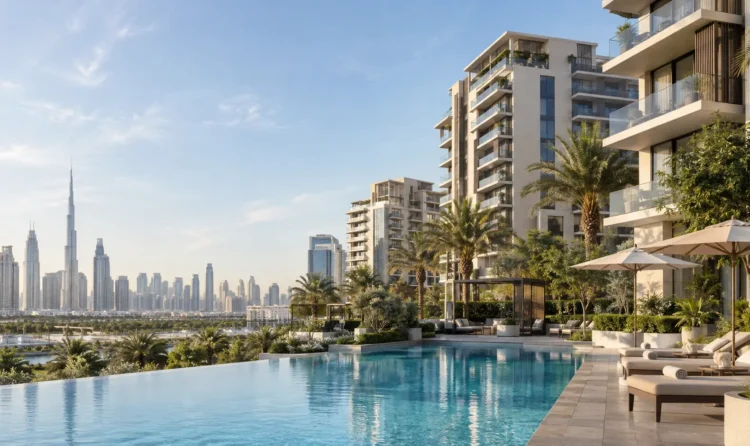
Dubai has become one of the most attractive real estate destinations for international buyers looking for luxury homes, investment opportunities and long-term property ownership. With a transparent property registration system, world-class infrastructure and a wide range of residential options, Dubai continues to attract buyers from across the globe.
For foreign buyers, understanding the complete process before purchasing a property is essential. From selecting the right location and confirming ownership eligibility to completing registration with the Dubai Land Department, every step requires proper planning.
This complete guide explains how to buy property in Dubai in 2026, covering everything international buyers need to know about freehold ownership, property selection, purchase process, costs, financing options and important considerations before investing.
Can Foreigners Buy Property in Dubai?
Yes, foreign buyers can purchase property in Dubai in designated freehold areas. Ownership eligibility is based on the property location and ownership type rather than only the buyer’s nationality or residency status.
International buyers do not necessarily need to be UAE residents to purchase eligible properties in Dubai. However, buyers should always verify that the specific property is located in an area where foreign ownership is permitted before proceeding with the transaction.
Dubai offers various property options for overseas buyers, including:
- Luxury villas
- Apartments
- Penthouses
- Townhouses
- Investment properties
- Off-plan developments
Foreign investors looking for opportunities can explore available options through Paarhk’s Dubai properties for sale listings.
Understanding Freehold Property in Dubai
One of the most important concepts for international buyers is understanding freehold property in Dubai.
Freehold ownership allows buyers to own the property and the associated rights registered through Dubai’s property registration system. Many of Dubai’s popular residential communities offer freehold ownership opportunities for foreign buyers.
Popular freehold areas include:
- Downtown Dubai
- Dubai Marina
- Palm Jumeirah
- Dubai Hills Estate
- Business Bay
- Jumeirah Village Circle
- Arabian Ranches
- Emirates Hills
The right location depends on whether your goal is personal living, rental income, lifestyle preferences or long-term investment.
Step-by-Step Process to Buy Property in Dubai as a Foreign Buyer
The Dubai property buying process follows a structured approach. Understanding each stage helps international buyers make informed decisions and avoid unnecessary delays.
Step 1: Define Your Property Requirements and Budget
Before searching for properties, clearly define what you want to achieve from your purchase.
Consider factors such as:
- Purpose of purchase: living, investment or holiday home
- Preferred property type
- Preferred location
- Budget range
- Payment method
- Expected holding period
For example, a family purchasing a permanent residence may prioritise schools, community facilities and lifestyle amenities, while an investor may focus more on rental demand and potential returns.
Step 2: Choose the Right Property Type
Dubai offers a diverse property market suitable for different buyer profiles.
Villas
Villas are popular among buyers looking for larger living spaces, privacy and premium community living. International buyers searching specifically for villas can explore Paarhk’s Dubai villa properties.
Apartments
Apartments remain one of the most popular choices because of their locations, amenities and investment potential. Buyers looking for apartments can explore available apartments for sale in Dubai.
Off-Plan Properties
Off-plan properties allow buyers to purchase units before completion, often with developer payment plans. However, buyers should carefully evaluate the developer’s reputation, project timeline and payment structure before committing.
Step 3: Select the Right Dubai Location
Location plays a major role in determining lifestyle experience, property value and future demand.
Some factors international buyers should evaluate include:
- Connectivity and transportation access
- Nearby schools and healthcare facilities
- Community amenities
- Rental demand
- Future development plans
- Property appreciation potential
A professional real estate advisor can help compare different communities based on your goals rather than simply focusing on property prices.
Step 4: Verify the Property and Developer Details
Before making any payment, buyers should conduct proper due diligence.
Important checks include:
- Confirming property ownership details
- Checking developer reputation
- Reviewing project approvals
- Understanding payment schedules
- Verifying property documents
- Reviewing associated fees
For overseas buyers, professional guidance becomes especially valuable because the purchasing process may involve documentation, legal procedures and financial decisions from another country.
Step 5: Make an Offer and Negotiate Terms
Once you select a property, the next step is submitting an offer and negotiating the purchase terms.
The negotiation process may include:
- Final purchase price
- Payment timeline
- Included fixtures and fittings
- Completion timeline
- Additional conditions
After both parties agree on the terms, the transaction moves towards formal documentation and registration.
Step 6: Sign the Sales Agreement (MOU)
Once the buyer and seller agree on the property price and terms, both parties typically sign a Memorandum of Understanding (MOU), also known as Form F in Dubai real estate transactions.
The MOU outlines the agreed terms between the buyer and seller, including:
- Agreed purchase price
- Payment terms
- Completion timeline
- Responsibilities of both parties
- Conditions before transfer of ownership
At this stage, buyers should carefully review all terms and ensure that all important conditions are clearly mentioned before signing.
Step 7: Complete Property Due Diligence
Before completing the transaction, buyers should verify all property-related details to ensure a smooth ownership transfer.
Important checks include:
- Confirming the seller’s ownership documents
- Checking outstanding service charges
- Reviewing property status with relevant authorities
- Confirming developer approvals for applicable properties
- Verifying mortgage status if the property has existing financing
For international buyers, working with experienced real estate professionals can help simplify these checks and reduce transaction risks.
Step 8: Arrange Financing or Mortgage (If Required)
Foreign buyers can purchase property in Dubai through personal funds or mortgage financing, depending on their eligibility and financial situation.
Mortgage requirements can vary depending on whether you are:
- A UAE resident
- An overseas buyer
- A salaried employee
- A self-employed business owner
Banks usually evaluate factors such as income, financial history, existing liabilities, property value and repayment capacity before approving financing.
If you are planning to finance your purchase, understanding mortgage eligibility before selecting a property can help you create a realistic budget. You can also explore our detailed guide on UAE mortgage options.
Step 9: Complete Dubai Land Department Registration
The final ownership transfer is completed through the Dubai Land Department (DLD).
During the transfer process:
- The buyer and seller complete the ownership transfer procedures
- Required documents are submitted
- Applicable fees are paid
- The new ownership certificate is issued
Once the transfer is completed, the buyer becomes the official registered owner of the property.
Costs Involved When Buying Property in Dubai
Apart from the property purchase price, foreign buyers should consider additional costs involved in completing a Dubai property transaction.
| Cost | Description |
| Dubai Land Department Fee | Government registration fee charged during property transfer |
| Real Estate Agency Fee | Professional service fee for property assistance and transaction support |
| Mortgage Registration Fee | Applicable if financing is used for the property purchase |
| Property Valuation Fee | Required by lenders when applying for mortgage financing |
| Bank Processing Fees | Applicable charges related to mortgage applications |
| Service Charges | Annual community maintenance fees for certain properties |
Documents Required for Foreign Buyers Purchasing Property in Dubai
The documentation process is generally straightforward, but requirements may vary depending on whether you are buying as an individual, through a company or using mortgage financing.
Typical Documents Required
- Passport copy
- Proof of identity
- Contact details
- Bank documents if mortgage financing is required
- Source of funds documentation where applicable
- Signed purchase agreements
Buyers using mortgage financing may need additional documents such as income proof, bank statements and employment or business records.
Freehold vs Leasehold Property in Dubai: What Foreign Buyers Should Know
One of the biggest decisions for international buyers is choosing between freehold and leasehold ownership.
Freehold Property
Freehold ownership allows eligible buyers to own the property and associated ownership rights in designated areas of Dubai.
This option is commonly preferred by foreign investors because it provides long-term ownership flexibility and the ability to sell, rent or transfer the property according to applicable regulations.
Leasehold Property
Leasehold ownership provides the right to use a property for a defined period according to the lease agreement. The buyer does not receive the same ownership rights as freehold property.
Understanding the ownership structure before purchasing is important, especially for overseas buyers unfamiliar with Dubai’s property regulations.
Can Foreign Buyers Get a Dubai Residence Visa Through Property Purchase?
Property ownership in Dubai may provide eligibility for certain residence visa options, depending on the property’s value, ownership conditions and applicable government regulations at the time of application.
However, buying property does not automatically guarantee visa approval. Buyers should review the latest eligibility requirements before making decisions based on residency benefits.
Common Mistakes Foreign Buyers Should Avoid When Buying Property in Dubai
Dubai’s real estate market offers excellent opportunities, but international buyers should carefully evaluate every decision before purchasing.
1. Not Researching the Location Properly
The location affects lifestyle, rental demand, future development and long-term property value. Buyers should evaluate communities based on their personal goals rather than only the purchase price.
2. Ignoring Additional Costs
Some buyers focus only on the property price and overlook registration fees, maintenance charges, mortgage costs and other transaction expenses.
3. Choosing a Property Without Due Diligence
Buyers should verify ownership details, developer reputation, documentation and property status before making payments.
4. Making Decisions Without Understanding Financing Options
International buyers should understand their available financing options before committing to a property purchase.
5. Not Working With Experienced Real Estate Professionals
Dubai property transactions involve legal, financial and administrative processes. Professional guidance can help buyers navigate these steps more efficiently.
Why Invest in Dubai Real Estate in 2026?
Dubai continues to attract international property buyers due to its global connectivity, business environment, lifestyle offerings and diverse real estate opportunities.
Reasons buyers consider Dubai property include:
- Strong international demand
- Modern infrastructure
- Luxury residential communities
- Freehold ownership opportunities
- Diverse property options
- Growing appeal among global investors
However, every investment decision should be based on proper research, financial planning and understanding of the specific property market segment.
Frequently Asked Questions About Buying Property in Dubai
Can foreigners buy property in Dubai?
Yes, foreigners can buy property in designated freehold areas of Dubai. Both residents and overseas buyers can purchase eligible properties subject to applicable regulations.
Do I need to live in Dubai to buy property?
No. Foreign buyers can purchase eligible Dubai properties without becoming UAE residents. However, ownership requirements and documentation must be completed correctly.
What is the minimum amount required to buy property in Dubai?
The required amount depends on the property type, location, purchase price, financing method and additional transaction costs.
Can foreigners buy villas in Dubai?
Yes, foreign buyers can purchase villas in designated freehold communities. Villas are among the popular choices for international buyers seeking larger homes and premium lifestyle communities.
Is buying property in Dubai a good investment?
Dubai property investment depends on factors such as location, property type, market conditions, rental demand and investment goals. Buyers should evaluate each opportunity individually.
Can I buy Dubai property with a mortgage as a foreigner?
Yes, eligible foreign buyers may access mortgage options from UAE banks, although requirements differ based on residency status, income profile and lender policies.
Final Checklist Before Buying Property in Dubai
- Define your budget and buying objective
- Research suitable locations
- Select the right property type
- Verify freehold ownership eligibility
- Review developer or seller details
- Understand all transaction costs
- Arrange financing if required
- Complete legal documentation
- Register ownership through Dubai Land Department
Buy Property in Dubai With Expert Guidance
Buying property in Dubai as a foreign buyer can be a rewarding opportunity when approached with proper research and professional guidance.
From selecting the right property and understanding ownership options to completing documentation and registration, every step plays an important role in a successful purchase.
Explore available properties for sale in Dubai or connect with Paarhk’s real estate specialists to understand suitable opportunities based on your requirements.
For more information about Paarhk and our real estate services, visit our Dubai real estate services page.